
Pilgrim’s Rest: From Tourism Gem to Illegal Mining Hotspot
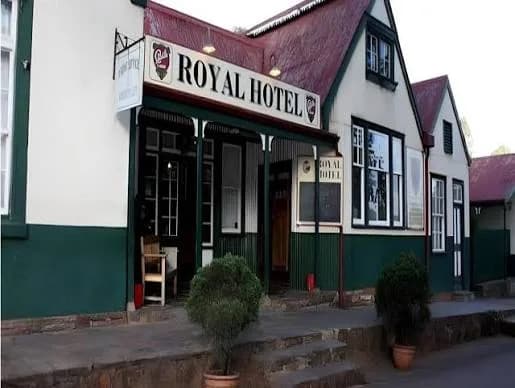
Once a thriving tourist destination celebrated for its gold-rush history, historic buildings and old-world charm, Pilgrim’s Rest is now facing a painful decline, with businesses closing, jobs disappearing and illegal mining increasingly dominating the town’s reputation.
The latest symbol of the crisis is the 132-year-old Royal Hotel, which now stands empty a stark reminder of how far the historic town has fallen.
For decades, Pilgrim’s Rest attracted tourists from across South Africa and around the world who came to experience its preserved gold-mining heritage, historic architecture, museums and picturesque surroundings. The town was once a key stop on Mpumalanga’s tourism circuit.
Today, however, the silence around once-busy businesses tells a different story.
Over more than a decade, the town has battled a combination of deteriorating infrastructure, declining investment, business closures and concerns over crime and illegal mining. The loss of businesses has also meant fewer employment opportunities for local residents who depend heavily on tourism.
Illegal mining has increasingly become one of the most visible signs of the town's troubles. Instead of being known primarily for its heritage and tourism attractions, Pilgrim’s Rest is now frequently associated with illicit mining operations and the criminal activity linked to them.
The irony is difficult to ignore: a town whose identity was built around the historic gold rush is now struggling with modern illegal mining.
The closure of establishments such as the Royal Hotel raises serious questions about the future of Pilgrim’s Rest. How did one of Mpumalanga’s most recognisable tourism destinations reach this point? Who is responsible for protecting its heritage and tourism economy? And what will it take to bring visitors, businesses and investment back?
For residents, the issue is not simply about preserving old buildings. It is about preserving livelihoods and restoring hope.
Pilgrim’s Rest still possesses the history, scenery and cultural value that once made it a tourism jewel. What remains uncertain is whether authorities and stakeholders can reverse the decline before more of the town’s historic businesses become casualties of neglect.
A town built on gold should not have to watch its future disappear into the abandoned buildings left behind by a struggling tourism economy and uncontrolled illegal mining.